
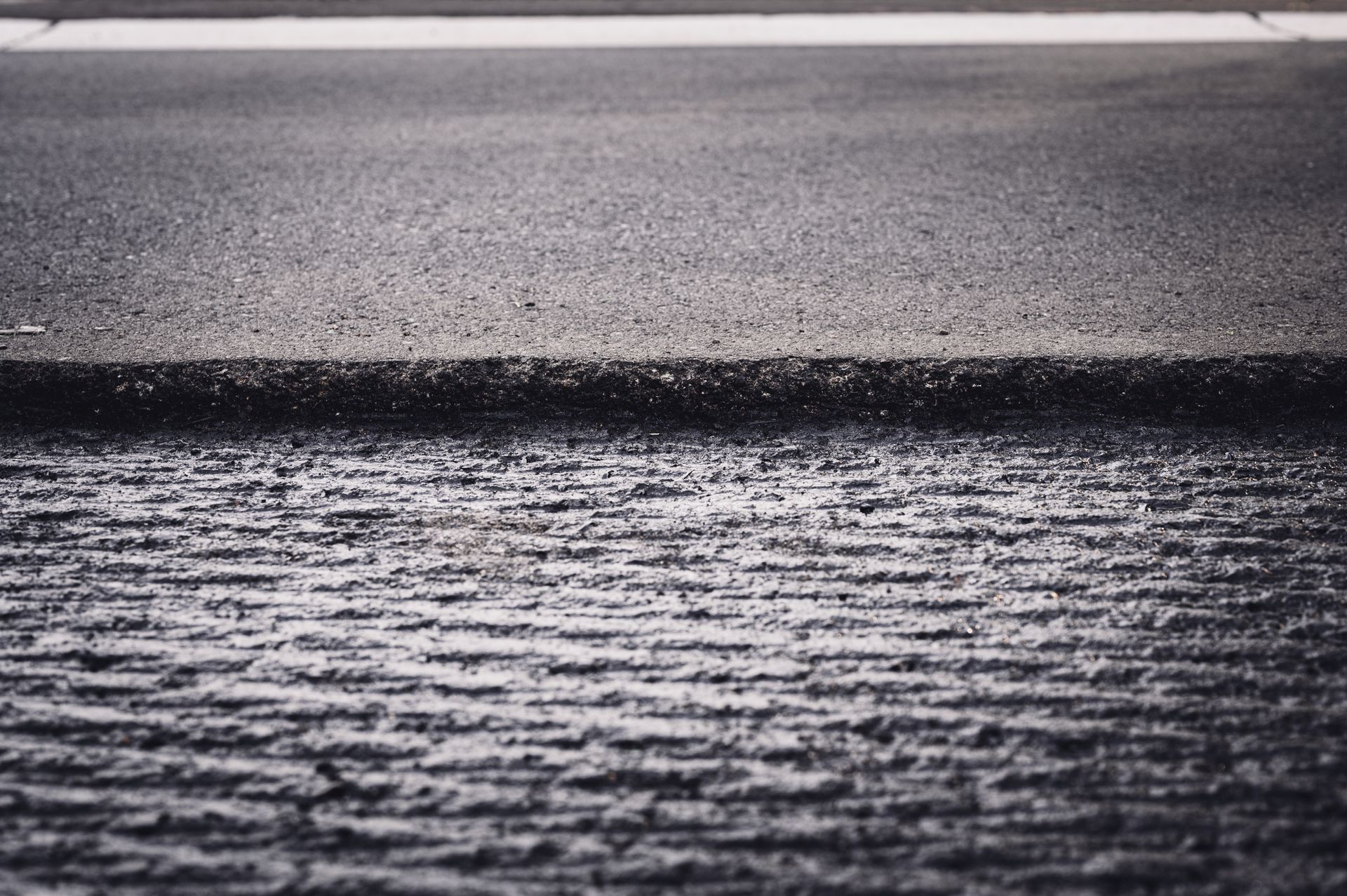
Restore Worn Pavement Without Starting From Scratch
Sunrise Sealcoat evaluates driveways and parking lots in Idaho Falls and surrounding areas to determine whether resurfacing can renew the pavement you already have.
Sunrise Sealcoat provides asphalt resurfacing for property owners throughout Idaho Falls, Blackfoot, Shelley and neighboring communities who want to restore worn pavement without the expense of full replacement. Your driveway or parking lot shows surface wear, fading, and minor rutting, but the base underneath still feels solid when you walk or drive across it. Resurfacing adds a new layer of asphalt over the existing surface, giving you a fresh appearance and renewed structural integrity without tearing out and rebuilding the entire pavement. This approach saves time and money when the underlying base remains stable and only the top layer has deteriorated.
Resurfacing involves removing loose material, repairing any low spots or edge damage, and applying a new asphalt layer that bonds to the prepared surface below. The new layer typically measures one to two inches thick, enough to handle daily traffic and weather exposure for years. Sunrise Sealcoat evaluates each property to confirm that resurfacing makes sense based on the condition of the existing pavement. If the base has failed or large sections have cracked through to the subgrade, resurfacing will not hold, and replacement becomes necessary. Idaho Falls properties often see surface-level wear from freeze-thaw cycles and UV exposure while the base remains sound, making resurfacing a practical option.
Schedule an on-site inspection to determine whether resurfacing can extend the life of your pavement investment.
What Resurfacing Looks Like From Start to Finish
You start with an assessment where the crew checks for base stability, drainage issues, and edge integrity to confirm the existing pavement can support a new layer. Any potholes, sunken areas, or crumbling edges get patched or rebuilt before resurfacing begins. The old surface gets cleaned, and a tack coat goes down to help the new asphalt bond. Hot asphalt arrives and gets spread evenly across the prepared surface, then compacted with a roller to achieve a smooth, dense finish.
After resurfacing, you see a uniform black surface with no cracks, ruts, or faded patches. The pavement feels level underfoot and drains water correctly instead of pooling in low spots. Your driveway or parking lot looks new without the disruption of hauling away old material and pouring a completely new base. Sunrise Sealcoat completes resurfacing projects when weather and temperature conditions allow proper asphalt curing, typically during warmer months when the material compacts evenly and bonds securely.
Resurfacing works best on pavements with surface-level damage but stable bases and good drainage. It does not correct severe cracking, base failure, or ongoing drainage problems that cause repeated pavement damage. Properties with tree roots lifting the asphalt or soil settlement issues may need base repair before resurfacing can succeed. Curing time depends on temperature and humidity, so expect restricted access for at least 24 hours after the new layer goes down.
Here are answers to common questions about restoring worn pavement with a new asphalt layer.
Questions Property Owners Ask About Asphalt Resurfacing
What is the difference between resurfacing and sealcoating? Resurfacing adds a new structural layer of asphalt, while sealcoating applies a protective coating over existing asphalt without adding thickness or repairing deeper wear.
How long does resurfaced asphalt last before needing attention again? A properly resurfaced driveway or parking lot typically lasts 10 to 15 years with routine maintenance like crack sealing and sealcoating to protect the new surface.
When should I choose resurfacing instead of full replacement? Resurfacing makes sense when the base is stable, drainage works correctly, and damage remains at the surface level rather than extending through to the subgrade.
Why does resurfacing require an on-site evaluation in Idaho Falls? Freeze-thaw cycles and ground movement can cause hidden base damage that looks like surface wear, so inspection confirms whether resurfacing will hold or if deeper repair is necessary.
What happens if the base is not stable enough for resurfacing? The crew removes damaged sections, rebuilds the base with compacted aggregate, and then applies new asphalt, effectively turning the project into a partial or full replacement depending on extent.
Sunrise Sealcoat visits your property to assess pavement condition and recommend the most cost-effective approach for restoring your driveway or parking lot. Contact them to schedule an inspection in Idaho Falls and get a clear answer on whether resurfacing fits your situation.